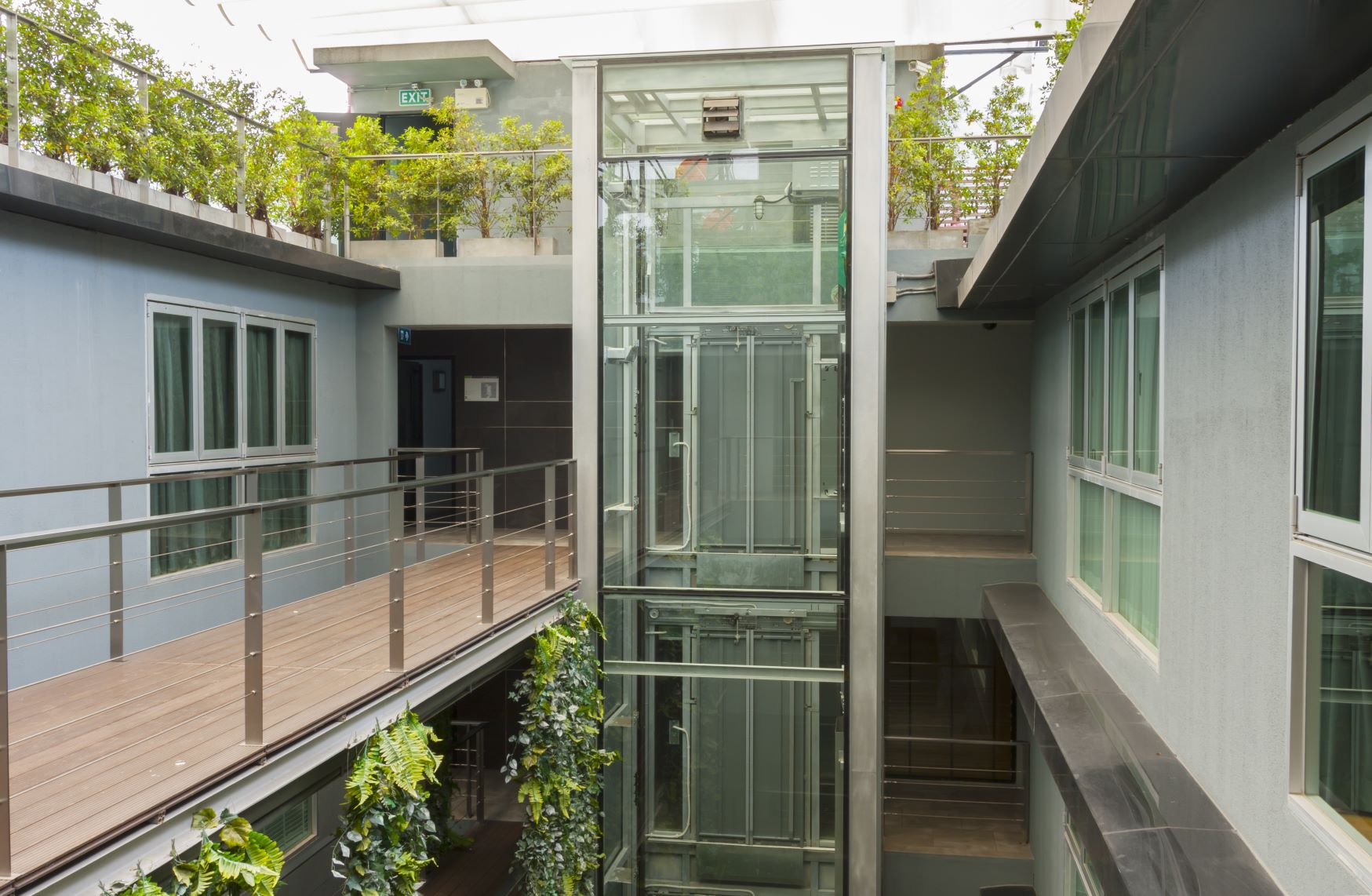
Here at Sheridan Lifts, we specialise in helping companies in need of lift modernisation and lift refurbishment. So, you might be sat there with an old lift
LEARN MORE
With a proven track record, our Manchester-based business is known for being exceptionally reliable and working closely with our customers all across the UK. With four decades of experience under our belt, we pride ourselves on being at the forefront of an ever-evolving industry.
We take satisfaction in delivering exceptional quality products and services. Our personal approach means we get to know you and your project inside out so we can ensure we provide you with the lift of your dreams. Our regional offices allow us to have technicians and engineers all across the UK, enabling us to respond to emergencies within an hour.
From lift installations to lift refurbishments and lift maintenance, we can provide you with the best lifts in town and help them keep that title.
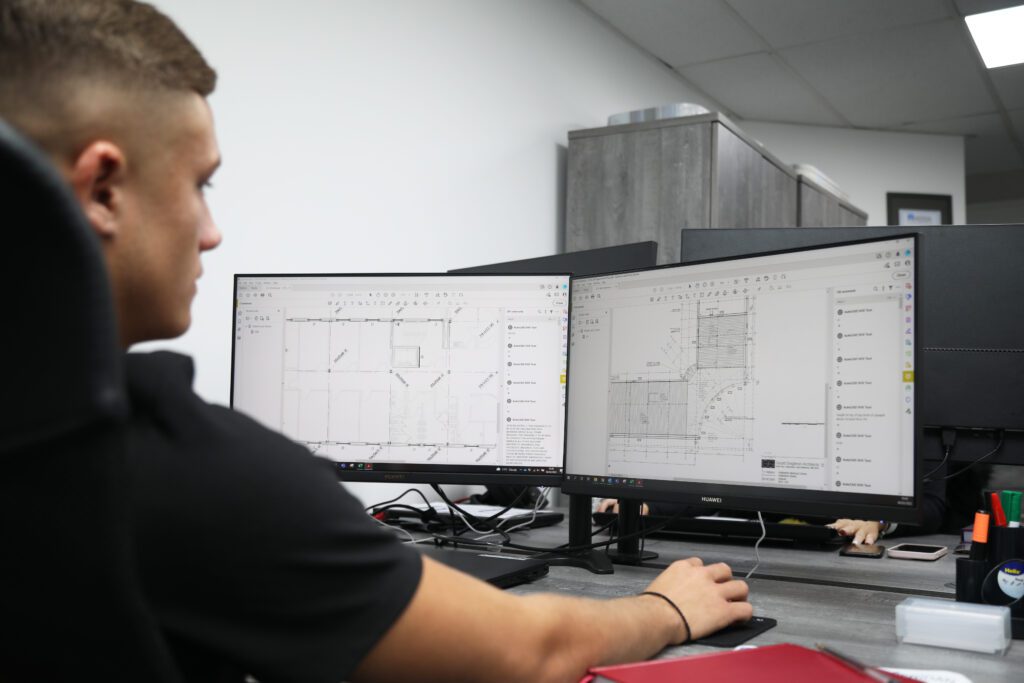
We have over 40 years of experience in the game, putting us at the forefront of lift engineering. This means there isn’t a piece of industry news that doesn’t reach our ears.
Throughout the years, we have gained a large amount of experience ranging from standard lift installations to more complex cases.
We install a range of lifts including:
This allows us to work with a variety of sectors, having installed lifts for hospitals, care homes, shopping centres, schools, hotels and restaurants across the UK.
We create tailor-made packages to suit your needs, taking many factors into accounts, such as the size of your building and the number of lifts you require.
Installing new lifts in buildings isn’t easy. It comes with all sorts of complications including building regulations and safety checks. At Sheridan Lifts we ensure all our lifts meet the required health and safety requirements.
If you have industry or building-specific requirements that need addressing, for example, passenger lifts for a hospital that must fit beds in or a firefighting lift for a high-rise building, we make sure these needs are all met, taking the headache away from you.
Find out more about our lift services and make an inquiry today.
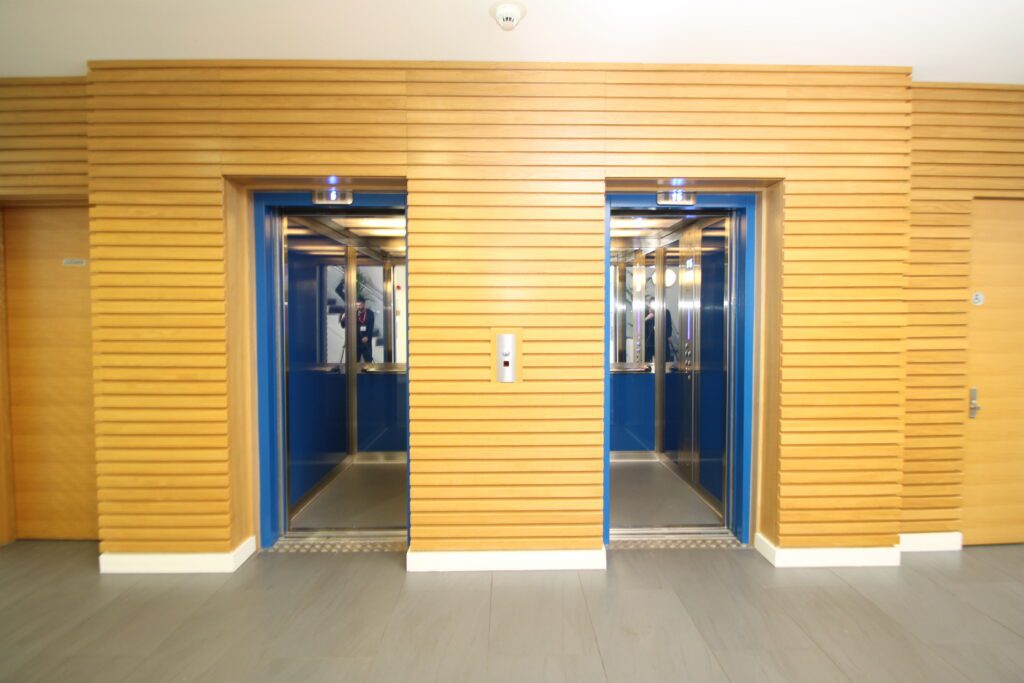
In order for your lifts to stand the test of time, they will need the occasional refurb.
All the lifts we install, either commercially or residentially, should last for up to 25 years, but we would advise you to keep an eye on the performance of your lifts well before the expiration date. That way any issues can be addressed quickly and hopefully without too much of an expense.
We offer a range of refurbishments to cater to all budgets, starting from standard electrical fixes to a full overhaul of your existing lift, which includes monthly performance reports.
Our experienced surveyors are able to visit you on-site and perform a free assessment (MOT service) of your lift, outlining any concerns that need addressing. With their in-depth expertise and knowledge, they are able to tell you how long you can expect the lift to function correctly. Some of our lift refurbishment clients include Kellogs, Wigan Council and Crown Paints.
For all customers, new and old, we are always on hand to discuss upgrading your lift and see how we can improve your lift experience.
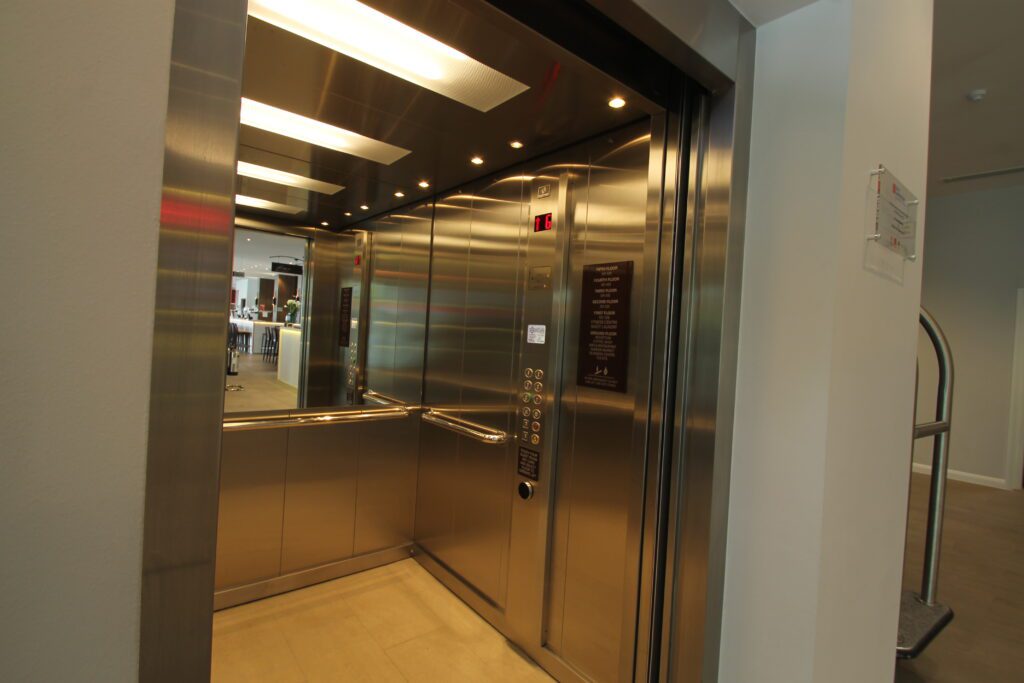
When you’re installing a lift, either in a new building or an existing structure, you need an independent lift company that you can trust with your lift installation services. There is a wide range of reasons you might need a lift installed in your building, whether it’s improving accessibility in public buildings, shopping centres, distribution centres or healthcare facilities; building an extension, and improving property value in an existing home or private property by adding bespoke passenger lifts; or as part of a new construction project that your team is working on.
Whatever the reason you need a lift installed, you need to feel confident that you’re working with a commercial lift company that has the knowledge and expertise to offer a quality service, which is where Sheridan Lifts comes in.
We have years of experience in lift installation, the unique challenges of the lift industry, and the benefits of lift installation, so we have an incredibly strong understanding of the different problems many of our clients face. We offer nationwide lift installation services, including in Manchester, Leeds, and across the North-West, as well as in Birmingham and the Midlands. Our London office works with businesses across the South, including Hertfordshire, Bedfordshire, Buckinghamshire, London, Essex, and Kent.
Why might you need a platform lift?
That is a very good question. In short, a platform lift is the perfect way to ensure that your lift is accessible to everyone. They can be installed in residential buildings, private homes and commercial settings. As well as carrying more weight than a standard lift, it also allows people to go from one floor to another with very little help, giving them the chance to be independent. They are designed in such a way that they are safer and more stable than other lifts.
At Sheridan Lifts, we provide a range of platform lifts, each one entirely customisable to suit your specifications. Your lift can be designed to feature your desired colours and enclosure options, and each of our lifts comes with a 12-month warranty. Our dedicated team provides a quick and professional service without causing too much disruption to your daily life.
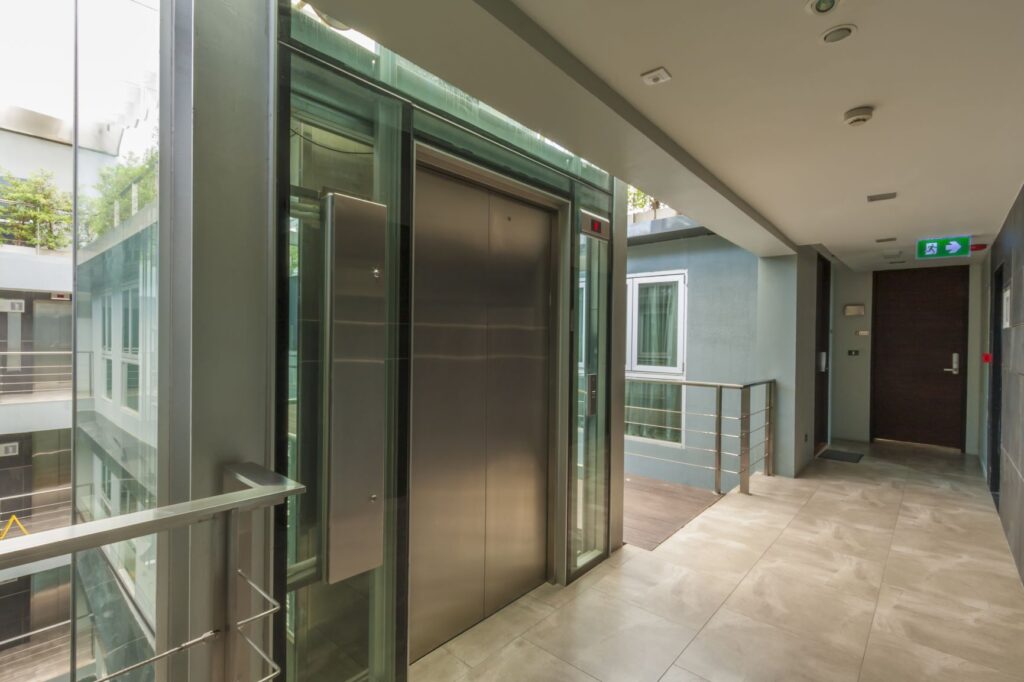
We are proud to include fire-stopping services alongside our fire lift installations.
Our fire-stopping services ensure your building is taking all the precautions possible should a fire break out.
Not only do we provide a range of lift installation and maintenance services, but we also go the extra mile for our customers, ensuring all of their fire safety needs are met. Read more about our first class fire stopping services on our dedicated page.
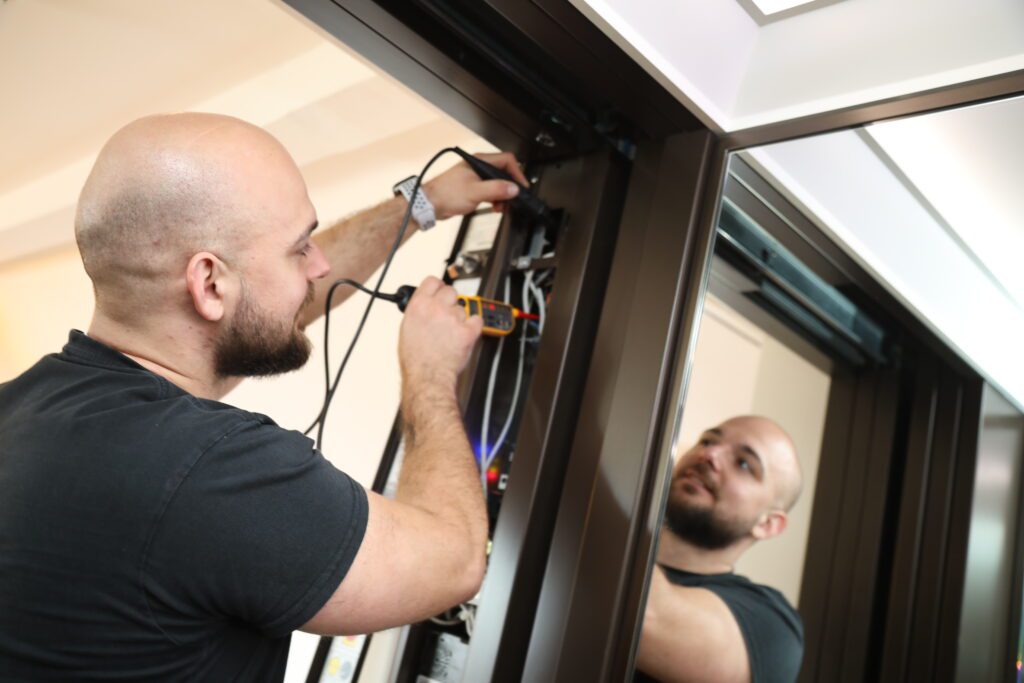
Here at Sheridan Lifts, we specialise in helping companies in need of lift modernisation and lift refurbishment. So, you might be sat there with an old lift
LEARN MORE
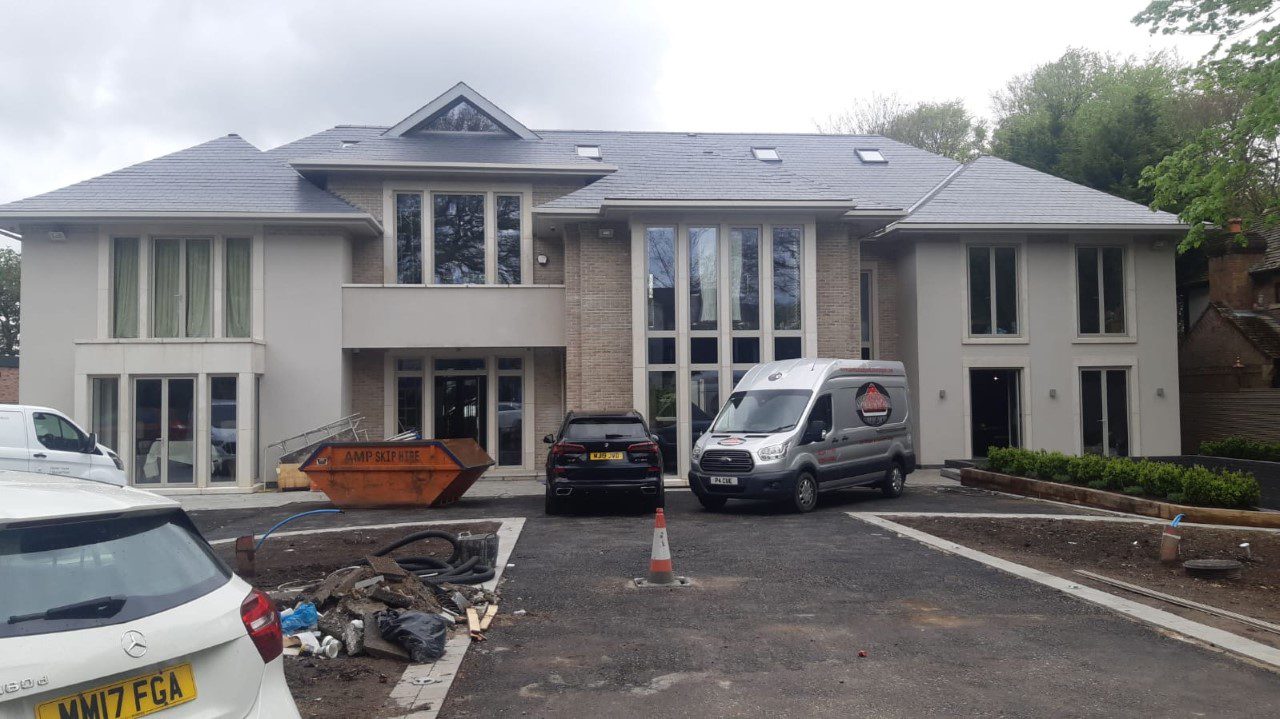
Hello everyone. The sun is shining, the birds are singing and another project has recently been completed by our team here at Sheridan Lifts. Our engineers have
LEARN MORE